

There are billions of visual searches daily conducted on websites such as Google Images; however, most individuals are still utilizing archaic means to achieve their desired goals. Even basic habits matter, such as knowing when to search Google or type a URL directly.
These include typing basic keywords, scrolling forever, yet never obtaining relevant information. It would simply have taken a reverse image search to locate the perfect match, source, or alternative solutions instantly. For text queries, Google search operators can cut that endless scrolling too.
Behind the scenes, modern systems use advanced techniques like vector embeddings and cosine similarity to compare images based on patterns and features, not just text.
That gap between how people search and how they should search is the real problem. Whether you’re wondering how to search an image by uploading a file, using a URL, or combining text with visuals this guide covers every method in detail. This guide will show you how to bridge that gap.
Understanding Image Search
What is image search? Simply put, it is the process of finding images using text, other images, or both and modern systems go far beyond basic keyword matching. In traditional ways, you needed to input a keyword like “sunset mountains,” and a relevant image was produced.
However, there’s more depth to today’s systems. Instead of just matching text, they perform a detailed assessment of images. They can:
- Identify exact images
- Detect edited versions
- Find similar images based on style or composition
- Help locate the original creator
- Verify authenticity in journalism and digital marketing
This matters more than ever in industries like:
- eCommerce (product discovery)
- journalism (fact-checking)
- UGC Moderation Systems (User-generated Content Moderation)
The processes behind UGC moderation systems include machine learning and contextual analysis to interpret images not only as pixelated data but as valuable information.
For example, instead of just seeing colors, modern tools understand:
- Context (is it a beach or desert?)
- Composition (what’s the subject?)
- Recognition (faces, objects, locations)
This makes image search faster, smarter, and more useful across diverse sectors. In short, these are all forms of picture identification techniques each designed to help you find, verify, and analyze visual content more effectively.
How Image Search Operates?
Modern image algorithms rely heavily on artificial intelligence, especially computer vision and deep learning.
1. Feature Detection (Classic Algorithms)
Early systems relied on algorithms like:
- SIFT → detects key points regardless of size or rotation
- SURF → faster version of SIFT for real-time use
These algorithms analyze:
- Edges
- Corners
- Distinct patterns
2. Deep Learning Models (Modern Approach)
Today, most systems use neural networks like:
- Convolutional Neural Network (CNN) → identifies objects, shapes, and features
- ResNet → improves accuracy in complex image recognition
These models learn from millions of images and can:
- Recognize objects
- Understand scenes
- Detect relationships between elements
3. Image Indexing & Matching
Modern systems convert images into high-dimensional numerical vectors called embeddings. Similarity is then measured using cosine distance the closer two vectors are, the more visually similar the images.”
Once processed, images are:
- Stored in massive databases (billions of images)
- Indexed using:
- Visual features
- Metadata
- Context
When you search:
- Your query image is decomposed into features
- Compared against stored patterns
- Matched with the most relevant results
4. Real Example
Upload a “a pair of wireless earbuds sitting in their charging case ” image:
- A CNN detects the object category → earbuds/charging case
- Shape and edge analysis identifies the design → compact, rounded case
- Color and texture analysis narrows down the finish → matte white plastic
Result:
You get visually similar earbud models from online stores.
Case Study: eCommerce Brand Boosts Sales by 38%
A mid-sized fashion e-commerce brand struggled with product discovery. Users often couldn’t find items using text search alone.
Problem:
- High bounce rate (62%)
- Low conversion rate (1.8%)
Solution:
They integrated:
- Reverse image search
- Visual similarity search
Customers could now:
- Upload outfit photos
- Find similar products instantly
Results (within 3 months):
- Conversion rate increased to 2.5% (+38%)
- Bounce rate dropped to 41%
- Average session time increased by 27%
Key Insight:
Visual search reduced friction and improved decision-making during shopping.
Best Image Search Tools Comparison
| Sr. No | Tool | Best For | Key Strength | Weakness |
| 1 | Google Images | General use | Massive database, fast results | Less precise for duplicates |
| 2 | TinEye | Reverse search | Finds exact matches & edits | Limited database |
| 3 | LensGo AI | AI detection | Detects stolen/duplicate content | Newer platform |
| 4 | Bing Visual Search | Object detection | Strong visual lookup | Smaller index vs Google |
| 5 | Inspiration | Best for design & lifestyle | Not for verification | |
| 6 | Yandex Images | Facial recognition | Very accurate face matching | Less global indexing |
| 7 | Shutterstock | Licensed images | Copyright-safe visuals | Paid |
Common Mistakes to Avoid
Even with the right tools, many users get poor results due to simple mistakes:
1. Using Low-Quality Images
Blurry or cropped images confuse algorithms and reduce accuracy.
2. Over-Relying on One Tool
Different platforms use different databases. Always test multiple tools.
3. Ignoring Filters
Not using filters leads to cluttered and irrelevant results.
4. Using Vague Keywords
Searching for “car” instead of “black SUV 2022 model” gives poor results.
5. Not Checking Copyright
Downloading images without checking usage rights can lead to legal issues.
6. Ignoring Image Context
An image may appear differently depending on where it’s used.
Image SEO: How to Rank Your Images in Search Engines
For your images to rank well on search engines, they should be optimized correctly. Here’s how:
1. Give Your Files Meaningful Names
Bad:
- IMG_1234.jpg
Good:
- black-leather-running-shoes.jpg
2. Include Alt Tags
Alt tags will help search engines understand what your image contains.
For example:
“Black leather running shoes with white sole”
Benefits:
- Better accessibility
- Higher rankings on Google Images
3. Optimize Your Images
- Reduce file size for faster loading.
- Retain image quality.
- Fast-loading pages have higher rankings.
4. Utilize Schema Markup
The use of structured data markup will help search engines comprehend:
- Product images
- Product reviews
- Context
5. Maintain Consistent Visuals
When it comes to brands:
- Consistent use of colors
- Style consistency across images
Benefits:
- Stronger brand identity
- Increased trustworthiness
6. Make Use of Responsive Images
Responsive images will adjust automatically based on:
- Mobile devices
- Tablet screens
- PC monitors
Benefits:
- Enhanced user experience
- Better SEO performance
7. Place Images Around Related Text
Search engines will read surrounding text to comprehend your image’s context.
What Are the Different Types of Image Search Techniques?
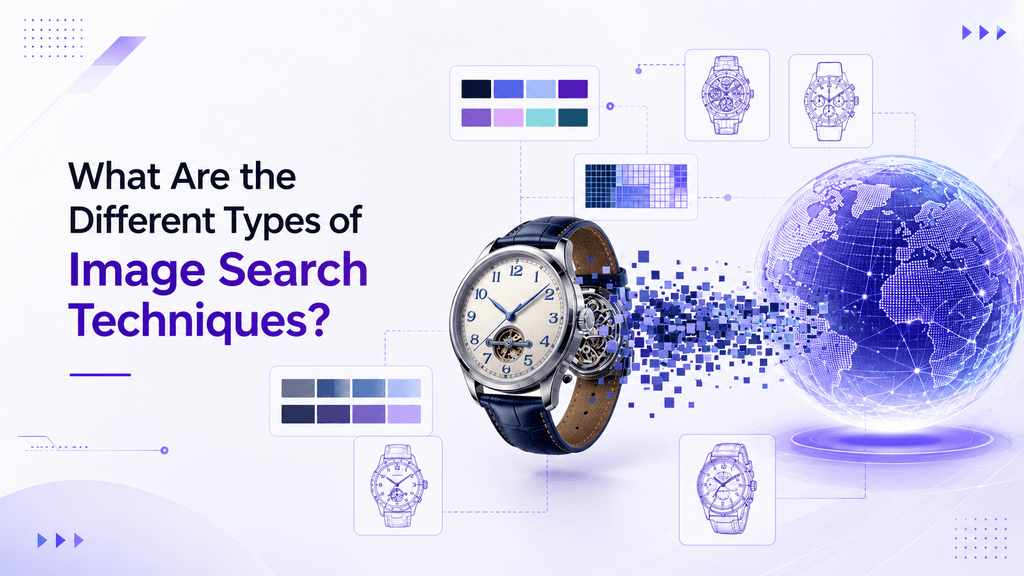
Each technique below serves a different purpose. Here’s a quick-reference comparison before the detailed breakdown:
| Technique | Best For | Example Query | Limitation |
| Keyword-Based Search | General concept visuals | “vintage motorcycle on empty road” | Depends entirely on existing metadata/tags |
| Reverse Image Search | Verifying authenticity, finding source | Upload a suspicious viral photo | Finds exact/edited matches, not stylistic ones |
| Visual Similarity Search | Design inspiration, style matching | Upload a room photo → similar interiors | Can return loosely related, not exact, results |
| Color-Based Search | Brand consistency, mood boards | “blue gradient background” | Ignores shape/context, color-only |
| Facial Recognition | Identity verification, security | Match a face across photos | Raises privacy/consent concerns |
| Object Recognition | Shopping, inventory tagging | Photo of a desk lamp → buy links | Struggles with cluttered, multi-object images |
| Pattern-Based Search | Textile and graphic design | “geometric wallpaper pattern” | Niche use case, smaller databases |
| Metadata-Based Search | Archival and source tracking | Photos tagged “Paris 2024” | Useless if metadata is missing or stripped |
| Context-Based Search | Understanding scene/intent | Same image, different site context | Requires surrounding text/data to work |
| Hybrid (Multimodal) Search | Precise, layered queries | Upload backpack photo + “navy blue, under $50” | Still maturing; not every platform supports it fully |
1. Keyword-Based Image Search
The first image search technique that you will encounter while looking through various resources is keyword-based search.
All you have to do here is to enter keywords in a search engine, such as Google Images, and it will give you back pictures based on:
- Metadata
- Tags
- Captions
- Alt text
How It Works:
Search engines scan billions of indexed images and match your text query with stored information associated with those images.
Example:
- “Sunset mountains” → shows natural scenes
- “Business icons vector” → shows professional visuals
Advanced Tip:
Use long-tail keywords like:
- “minimalist office desk setup with laptop”
instead of just “desk”
This improves relevance and reduces confusion.
Best Use Cases:
- General picture searches
- Blog and content creation
- Finding concept visuals
2. Reverse Image Search Techniques
This is one of the most powerful picture identification techniques available today.
Instead of typing text, you:
- Upload an image
- Or paste an image URL
Tools like TinEye and Google Images analyze the image and return matches.
What It Can Do:
- Find exact matches
- Detect edited or resized versions
- Identify the source
- Track where the image appears online
Why It Matters:
In today’s world of fake news and manipulated visuals, reverse image search is essential for:
- Authenticity verification
- Detecting plagiarism
- Identifying misleading visuals
Real-World Example:
A journalist receives a viral image. Using reverse search, they discover it was originally posted years ago in a completely different context.
Pro Tip:
Use multiple tools like:
- TinEye
- Yandex Images
Different databases = better results.
3. Visual Similarity Search (Advanced Understanding)
This technique goes beyond exact matches and focuses on aesthetics.
Instead of asking:
“Is this the same image?”
It asks:
“Does this look like this image?”
How It Works:
Using computer vision, the system analyzes:
- Layout
- Texture
- Patterns
- Composition
Then it finds visually similar images, even if they are completely different files.
Example:
Upload a modern living room photo → get:
- Similar interior designs
- Matching furniture styles
Industries That Rely on It:
- Fashion
- Interior design
- eCommerce
- Creative agencies
Why It’s Powerful:
It helps users discover new ideas, not just copies.
4. Color-Based Image Search (More Practical Insight)
Color plays a huge role in visual appeal and branding.
This technique allows users to filter or search images based on:
- Dominant colors
- Gradients
- Tones
Platforms like Pinterest excel at this.
Example:
- Search “blue gradient background”
- Filter results by red, green, or monochrome
Who Uses It:
- Designers
- Advertisers
- Brand managers
Real-World Use Case:
A company wants all marketing visuals to match its brand color palette. Color-based search ensures visual coherence across campaigns.
5. Facial Recognition (Detailed View)
This is one of the most advanced forms of image algorithms.
Using artificial intelligence, systems detect and analyze human faces.
How It Works:
- Maps facial features
- Compares them with stored data
- Identifies matches
Applications:
- Law enforcement
- Media verification
- Social media tagging
6. Object Recognition
Object recognition identifies specific items inside an image.
Using machine learning, systems can detect:
- Vehicles
- Animals
- Household items
- Products
Example:
Take a picture of a chair → get:
- Product listings
- Similar designs
- Purchase links
Real-World Use:
- Online shopping
- Inventory management
- Security systems
7. Pattern-Based Image Search
This is a more specialized but highly useful technique.
It focuses on identifying:
- Repeating designs
- Textures
- Visual patterns
Common Uses:
- Textile industry
- Fashion design
- Graphic design
Example:
Searching for:
- “geometric pattern wallpaper” Returns designs with similar layouts and structures.
8. Metadata-Based Image Search
Every image carries hidden data known as metadata.
This includes:
- File name
- Location
- Date created
- Camera details
- Tags and captions
Search engines use this data to improve accuracy.
Example:
A photo tagged with:
- “Paris Eiffel Tower 2024”
will appear in relevant searches even if the keyword isn’t in the image itself.
Why It Matters:
Metadata helps in:
- Authenticity verification
- Source tracking
- Better organization
9. Context-Based Image Search
This technique uses context instead of just visuals.
It analyzes:
- Surrounding text
- Website content
- User intent
Example:
An image of a laptop on a tech blog → likely categorized as technology
Same image on a shopping site → categorized as product
Benefit:
Provides smarter and more relevant results.
10. Hybrid (Multimodal) Image Search
This is the future of how to search an image combining text, voice, and visuals into a single, intelligent query.
It combines:
- Text
- Image
- Voice
Powered by deep learning, hybrid search delivers highly precise results.
Example:
- Upload a shoe image
- Add text: “black version under $100”
Result:
Highly targeted product matches.
When Can You Use Each Technique?
Each technique has its strengths:
- Keyword-based search → finding concept visuals
- Reverse image search techniques → checking authenticity, detecting plagiarism, and tracing the original source of any image
- Visual similarity search → exploring design ideas
- Color-based search → maintaining brand identity
- Facial recognition → identification tasks
- Object recognition → product or item detection
- Pattern-Based Image Search → finding repeating designs and visual patterns
- Metadata-Based Image Search → locating images through tags, captions, and alt text
- Context-Based Image Search → understanding the scene or meaning of an image
- Hybrid (Multimodal) Image Search → combining text, images, and sometimes voice for more precise and advanced results
For best results, combine methods. A smart marketer or researcher often uses multiple approaches to save time and improve accuracy.
Best Tools for Image Search
The selection of a tool may significantly enhance your image searching skills. Each of these platforms employs unique algorithms, databases, and image recognition methods, which can help you obtain more accurate and efficient results.
Here are the most powerful platforms available today:
Google Images for Everyday Image Searches
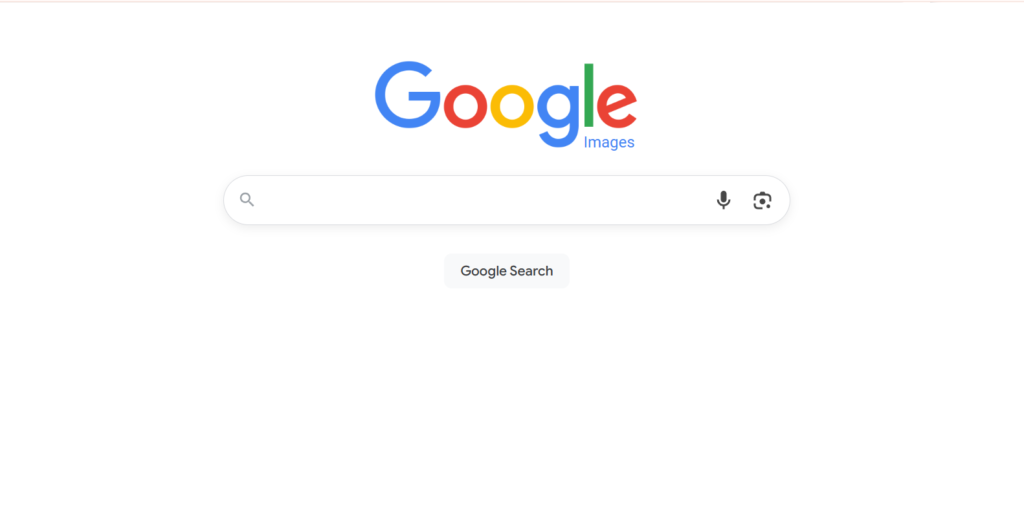
- Most popular tool
- Supports keyword and reverse image search
- Massive database
- Highly accurate results
LensGo AI for Similar and Duplicate Images
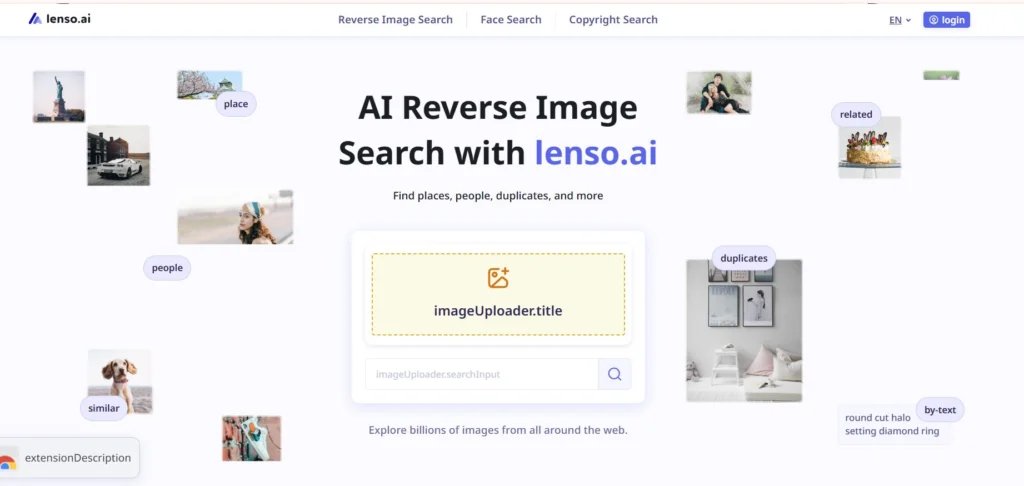
- Advanced AI-based recognition
- Great for:
- Detecting duplicates
- Identifying stolen content
- Useful for brands and copyright monitoring
TinEye for Tracking an Image Online
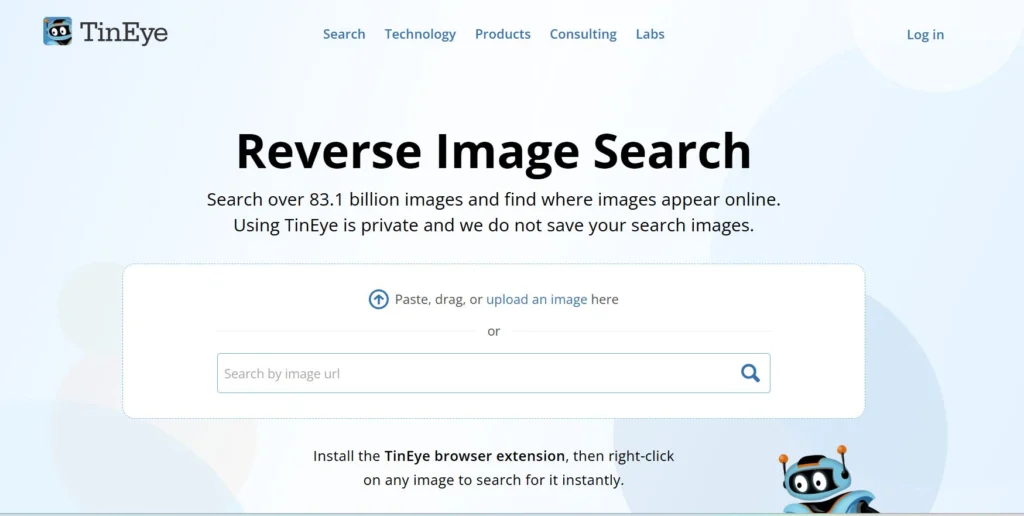
- TinEye Specializes in reverse search
- Finds:
- Resized
- Edited versions
- Ideal for photographers and journalists
Bing Visual Search for Identifying Objects
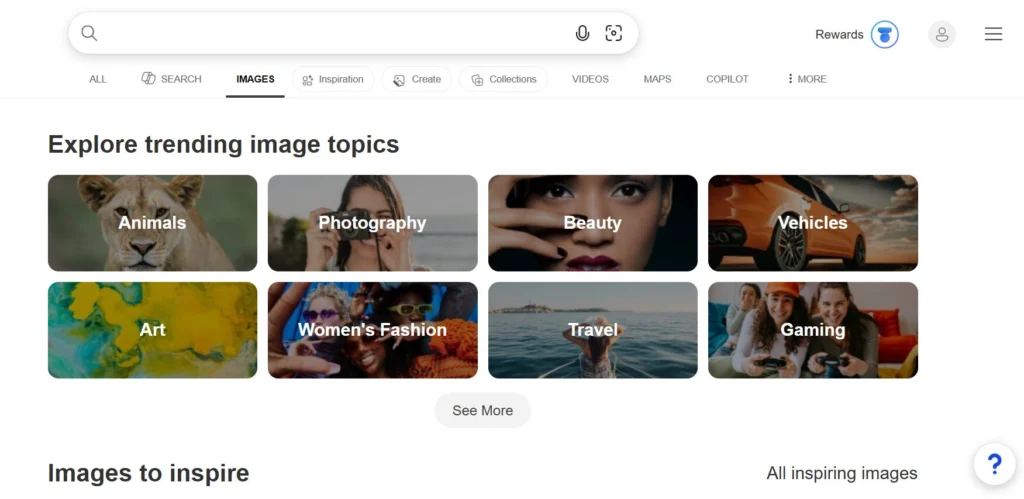
- Bing Visual Search is Integrated with Microsoft Edge
- Offers visual lookup features
- Strong object recognition
Pinterest for Finding Similar Ideas

- Pinterest is Best for inspiration
- Great for:
- Fashion
- Decor
- Recipes
- Uses visual similarity search
Yandex Images for Similar Image Searches
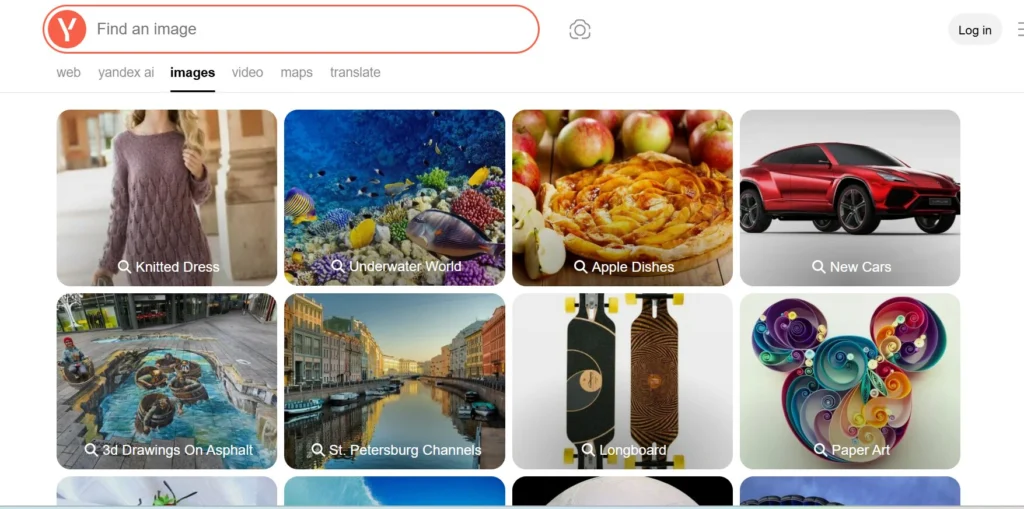
- Yandex is Known for strong recognition capabilities
- Excellent for:
- Faces
- Landmarks
Shutterstock for Licensed Stock Images
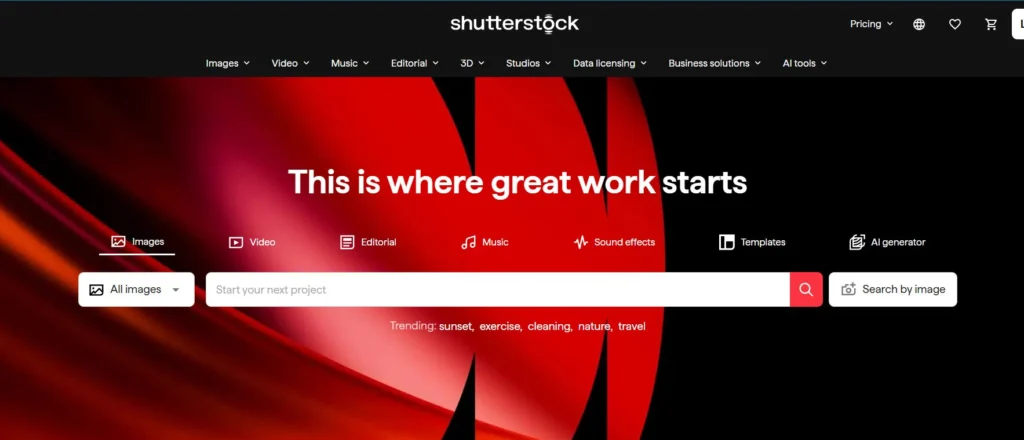
- Premium licensed visuals
- Useful for businesses and creators
- Ensures copyright-safe usage
Right Practices for Effective Image Searching
It is not enough to learn to use image search tools; it’s about using them correctly and strategically. Even small changes in technique will greatly affect the accuracy and effectiveness of your work.
Here are the most effective, real-world practices you should follow:
1. Always Use High-Quality Images
Image quality directly affects how well image algorithms work.
Avoid:
- Blurry images
- Cropped images
- Low-resolution files
Why it matters:
- Algorithms analyze textures, edges, and patterns
- Poor quality = weak feature detection = inaccurate matches
Pro tip: If possible, upload the original image instead of a screenshot.
2. Use Highly Descriptive Keywords
When using keyword-based searches, specificity is everything.
Instead of:
- “bag”
Use:
- “red leather handbag with gold chain strap”
Good keywords include:
- Color
- Material
- Shape
- Use case
- Style
This helps search engines understand both text context and visual intent.
3. Combine Multiple Search Techniques
Don’t rely on just one method.
Smart users combine:
- Keyword-based search
- Reverse image search
- Visual similarity search
For example:
- Upload an image to Google Images
- Verify source via TinEye
- Explore similar styles on Pinterest
This layered approach gives comprehensive outcomes and reduces errors.
4. Leverage Filters and Advanced Options
Most people ignore filters, but they are powerful.
Use filters for:
- Color
- Size (high resolution vs small)
- Time (recent uploads)
- Usage rights
Example:
If you need copyright-free images → filter by usage rights
This is especially important for:
- Content creators
- Marketers
- Website owners
5. Optimize for Mobile and Real-Time Search
Modern users rely heavily on mobile tools.
Apps like:
Allow you to:
- Search directly using your camera
- Identify objects in real-time
- Shop instantly
This is especially powerful for:
- Digital shopping
- Travel
- Everyday problem-solving
6. Respect Copyright and Licensing
This is one of the most overlooked practices.
Before using any image:
- Check usage rights
- Review licensing agreements
- Credit creators when required
Platforms like:
- Shutterstock
Provide licensed visuals to avoid legal issues.
Ignoring this can lead to:
- Copyright strikes
- Legal penalties
- Brand damage
7. Use Reverse Search for Brand Protection
If you’re a business owner or marketer:
- Track where your images are used
- Detect stolen or reused content
- Monitor brand consistency
This is critical for:
- eCommerce stores
- Agencies
- Personal brands
8. Test Across Multiple Platforms
Different platforms use different algorithms.
For example:
- Yandex Images → strong facial recognition
- Bing Visual Search → better object detection
Testing across platforms ensures:
- More accurate results
- Broader coverage
- Better verification
What Are the Practical Applications of Image Search?
Image search is used across many industries:
1. Online Shopping (eCommerce)
- Upload product images
- Find similar items instantly
- Improves shopping convenience and sales
2. Journalism & Media Verification
- Detect altered visuals
- Verify authenticity
- Prevent misinformation
3. Marketing & Branding
- Track brand usage
- Maintain visual consistency
- Monitor campaigns
4. Graphic Design
- Find inspiration
- Match styles and patterns
5. Education & Research
- Help students and educators
- Support visual learning
- Ensure academic integrity
6. Security & Law Enforcement
- Identify suspects
- Track stolen goods
- Detect counterfeit products
7. Social Media Tracking
- Monitor reposts
- Detect misuse of content
- Manage influencer collaborations
Future of Image Search Techniques
The future of image search techniques is exciting and rapidly evolving.
AI-Based Advancements
With stronger machine learning and deep learning, systems will:
- Understand context better
- Recognize emotions
- Deliver more personalized results
Multimodal Search
Search will combine:
- Voice
- Images
- Text
Making results more precise and intuitive.
Augmented Reality (AR)
Imagine pointing your camera at an object and instantly getting:
- Product details
- Reviews
- Buying options
Real-Time Recognition
- Instant identification via camera
- On-device processing improves privacy
Integration with Daily Life
From shopping to traveling, image search will bridge the gap between digital and physical worlds.
Conclusion
Images play a significant role in determining our thoughts, choices, and even beliefs. This is the main reason why mastering various image search and analysis techniques can be considered extremely important nowadays.
From simple keyword search to such modern techniques as reverse image search and visual similarity, all these ways allow us to conduct our research more efficiently. What should be noted in this case is that it is essential to know when to apply different techniques.
The use of such tools as Google Images, TinEye, and LensGo AI makes the process significantly easier. It allows us to verify images we find, explore fresh ideas, and conduct our research in an efficient way.
The evolution of technology will definitely result in even more sophisticated and advanced image search techniques in the future. If one concentrates their efforts on applying techniques properly, maintains consistency, and considers ethical issues of image use, they will get the greatest benefits from their search.
Start today, pick one technique from this guide, open Google Images or TinEye, and try it on a real search you’ve been struggling with. The results will speak for themselves.”
Frequently Asked Questions (FAQs)
What are image search techniques, and how does it work?
Image search refers to the use of keywords, images, or a combination of both to search for images. This is achieved through image analysis, which involves the use of artificial intelligence and other image algorithms in the interpretation of various image features, such as color, texture, shape, and metadata.
What are the most common image search techniques?
Some of the commonly used image search techniques include keyword search, reverse image search, visual search, color search, facial recognition, object detection, pattern-based search, metadata-based search, context-based search, and multimodal search. Each technique fulfills different purposes depending on the requirements of the user.
How does reverse image search differ from keyword-based image search?
Keyword-based search finds images through text descriptions, while reverse image search techniques work by submitting an actual image as the query the algorithm then finds matches, edited versions, and original sources across the web. Unlike in the former approach, where you describe what you are searching for, in the latter case, you upload an image, and then the algorithm provides the results.
Which image search technique is best for e-commerce and product discovery?
The most effective methods for e-commerce are object recognition, visual similarity search, and reverse image search. They enable users to easily locate the desired goods, find products similar to them, and even make comparisons between multiple products.
How can I verify if an image is real or fake?
It would be wise to try using reverse image search, which allows you to trace the original image and look at other images on the web that may differ from yours. Tools like TinEye and LensGo AI can come in handy here.
What is image search and why does it matter?
Image search is a technology that allows users to find visual content using text queries, uploaded images, or a combination of both. It matters because it helps verify authenticity, discover products, protect brand assets, and conduct research far more efficiently than traditional text-based methods.
What is the best way to do an image search?
Open Google on your phone, hit the camera icon, and pick your picture. Lens will pull up the exact item, matching pages, and shopping links on the spot.
Why would someone use reverse image search?
Most folks use it to spot fake accounts on dating apps, find a shirt they saw online, or check if someone copied their art without asking.
How does someone do a reverse image search?
Go to Google Images on any browser. Press the little camera button next to the mic, add your photo, and look through the list of web matches.
Can I search a person by photo?
You can, but Google won’t let you match faces due to privacy settings. You’ll need specialized sites like PimEyes or FaceCheck.ID to look up face photos.
How to find social media accounts by photo?
Upload their headshot into FaceCheck.ID. The site searches public accounts on Instagram, Facebook, and Twitter to see whether that face belongs to someone else.
Can ChatGPT do reverse image search?
No. ChatGPT can tell you what is in a picture, but it cannot browse the web to find the original website where the file came from.
What is better than TinEye?
Google Lens and Yandex work way better. Google has a huge index of daily web pages, while Yandex easily finds pictures that have been cropped, flipped, or blurred.
Am I being catfished reverse image search?
Run the person’s picture through Google Lens or FaceCheck.ID. If the photo belongs to an influencer, a stock model, or a person with a totally different name, it is a catfish.

Comments are closed