DenebrixAI helps enterprises bring artificial intelligence into the systems they already run. Our AI integration and modernization services upgrade legacy applications, connect large language models to your ERP, CRM and data platforms, then automate the workflows that slow your teams down.
The result is faster operations, lower maintenance costs and AI that works inside your business instead of sitting beside it.
Legacy systems stay in place while a secure AI layer connects them to modern apps, agents and analytics.

Whether you are untangling a decades-old monolith or adding generative AI to a modern stack, we cover every layer from first assessment to production support.
We audit your applications, data and infrastructure to find where AI delivers the fastest return, then turn the findings into a phased, costed roadmap.
We refactor, re-platform or rebuild aging software so it stays stable, secure and ready for AI, without the risk of a big-bang replacement.
We connect AI models to your ERP, CRM, HRIS and data warehouse through secure APIs, so insights appear inside the tools your teams already use.
We embed large language models into products and internal tools using retrieval-augmented generation, guardrails and cost controls tuned for production.
We design AI agents that read documents, update records and trigger actions across systems, turning multi-step manual work into reliable automation.
We add AI chat and voice assistants to your website, help desk or employee portal, grounded in your own knowledge base and policies.
We break monoliths into documented services and APIs, which makes each part of your platform easier to scale, test and extend with AI.
We move workloads to AWS, Azure or Google Cloud with a clear plan for data, security and downtime, then optimize them for AI workloads.
We clean, unify and govern your data in a modern warehouse or lakehouse, giving every model trustworthy inputs with traceable outputs.
Most enterprises cannot pause operations while they rebuild core software. Our legacy application modernization work runs in controlled phases, with parallel environments, automated testing and a rollback plan for every release.
Phased rolloutsParallel run & rollbackAutomated testingZero-downtime cutover
ERP, mainframe and databases keep running.
Modern APIs expose legacy data safely.
Models act inside clear permissions.
Audit logs and drift alerts on every model.
We connect your data, applications, teams and workflows, turning AI from an experiment into a reliable business capability that stays governed, observable and secure.
MLOps & governancePrivate-cloud deploymentHuman-in-the-loopObservability
A structured delivery model that reduces risk, keeps stakeholders informed and moves every release toward measurable ROI.
We map your applications, integrations, data flows and pain points, then rank modernization opportunities by business value and technical risk.
We define the target architecture, choose suitable AI models and integration patterns, then plan delivery in small, testable releases.
We clean, migrate and connect the data your AI depends on, building pipelines with lineage, quality checks and access controls.
Our engineers modernize code, expose APIs, embed AI capabilities and connect everything to your existing ERP, CRM or custom platforms.
We validate accuracy, performance, permissions and compliance through automated tests, red-teaming and user acceptance before any release.
After launch we monitor models and services, retrain when data shifts, then keep improving performance as your business grows.
No commitment, just practical advice on modernizing your systems with AI.
Wherever a legacy process slows decisions or burns hours, AI integration services can turn it into a faster, measurable workflow.
AI assistants resolve routine tickets around the clock.
Extract, classify and validate data from any file.
Score, route and enrich leads automatically.
Automate invoices, reconciliation and reporting.
Forecast demand and flag delays before they hit.
Screen candidates and answer policy questions.
Let staff query internal documents in plain language.
Computer vision checks that reduce human error.
Spot equipment failures early from sensor data.
Turn raw data into clear, decision-ready dashboards.
Ten years of engineering discipline, applied to every integration we ship.
We design for least-privilege access, encryption and audit trails from day one, aligning delivery with frameworks such as GDPR and HIPAA where your industry requires it.
Every engagement starts with a business case, so we prioritize the integrations that cut costs or grow revenue within the first few quarters.
We choose models, clouds and tools on merit, which keeps you free to switch providers as pricing and capabilities change.
Our teams have shipped AI for healthcare, finance, retail, logistics and SaaS companies, so we understand the constraints each sector brings.
Proven frameworks and infrastructure, chosen for performance, security and long-term maintainability.
Every sector buys differently. Pick yours to see the constraint we usually find, how we work around it and which services we would run first.
Providers run on EHRs, billing platforms and scheduling tools that were never designed to share data. New AI has to respect patient privacy while fitting into busy clinical workflows.
Clinical documentation assistants, intake and triage automation, claims processing and secure data platforms that sit on top of existing EHR systems.
Hours saved per clinician, claim turnaround time, documentation accuracy and adoption across care teams.
Clinical AIHealthcare AutomationPatient Engagement
Product, pricing and inventory data often live in separate legacy systems, which makes personalization and accurate forecasting difficult at scale.
Recommendation engines, demand forecasting, AI shopping assistants and unified product data pipelines connected to your commerce stack.
Conversion rate, average order value, stock-out reduction and forecast accuracy.
PersonalizationDemand ForecastingAI Chat
Banks, lenders and fintechs carry core systems built decades ago, while regulators expect every automated decision to be traceable.
Fraud detection, KYC and document automation, reconciliation bots and explainable risk models integrated through secure APIs.
False-positive rates, processing time per case, audit findings and cost per transaction.
Fraud DetectionDocument AIRisk Analytics
Production lines rely on PLCs, MES and ERP software that rarely talk to each other, so valuable sensor data often goes unused.
Predictive maintenance, computer-vision quality inspection, production planning assistants and IoT data pipelines.
Unplanned downtime, defect rates, overall equipment effectiveness and maintenance spend.
Predictive MaintenanceVision QAIoT Data
Operators manage billing, OSS and BSS platforms that are expensive to change, while customers expect instant digital support.
Network anomaly detection, churn prediction, AI customer service agents and modern APIs over legacy billing systems.
Churn rate, mean time to resolve incidents, support deflection and network uptime.
Churn PredictionAI SupportNetwork Analytics
Orders, shipments and supplier data are scattered across ERPs, spreadsheets and partner portals, which hides delays until it is too late.
Demand and lead-time forecasting, route optimization, supplier risk monitoring and AI agents that update records across systems.
On-time delivery, inventory carrying cost, forecast error and planner hours saved.
ForecastingRoute OptimizationSupplier Risk
Dealers, manufacturers and parts suppliers work across disconnected systems, which slows service, sales and warranty processes.
Visual parts search, warranty claim automation, dealer sales assistants and connected-vehicle data platforms.
Claim processing time, parts search accuracy, lead conversion and service bay utilization.
Visual SearchWarranty AIDealer Assistants
Farm data arrives from sensors, drones and manual logs in inconsistent formats, so insights rarely reach growers in time.
Crop and yield prediction, image-based disease detection, irrigation optimization and unified agronomic data pipelines.
Yield variance, input cost per acre, detection accuracy and time to recommendation.
Yield PredictionImage AnalysisField Data
Grid, metering and asset systems are mission-critical, so any modernization must protect uptime and regulatory reporting.
Load forecasting, asset health monitoring, outage prediction and customer service automation built on modern data platforms.
Forecast accuracy, outage minutes, maintenance cost and customer contact volume.
Load ForecastingAsset HealthCustomer AI
Choose the model that matches your timeline, internal capacity and appetite for risk. You can switch as the program grows.
A fixed-scope engagement that audits one system, ships a working AI pilot and leaves you with a costed roadmap for everything that follows.
A cross-functional squad of AI engineers, data specialists and QA that works as an extension of your team on a flexible monthly plan.
Ongoing monitoring, retraining, security patching and feature work for AI systems already in production, backed by clear service levels.
A look at AI systems we have shipped into production for real clients.
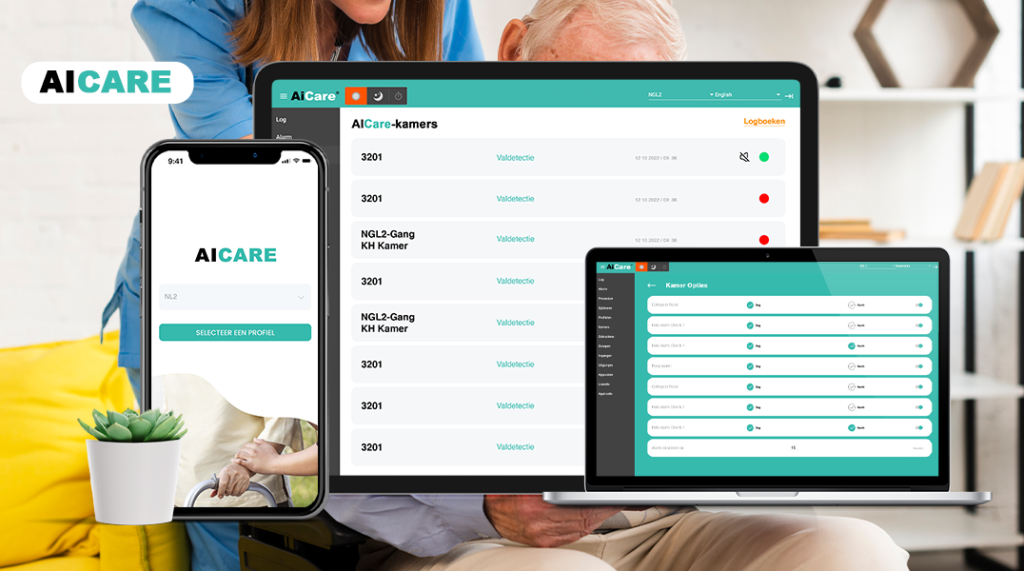
An AI clinical-support system that streamlines documentation and decision-making across care teams.
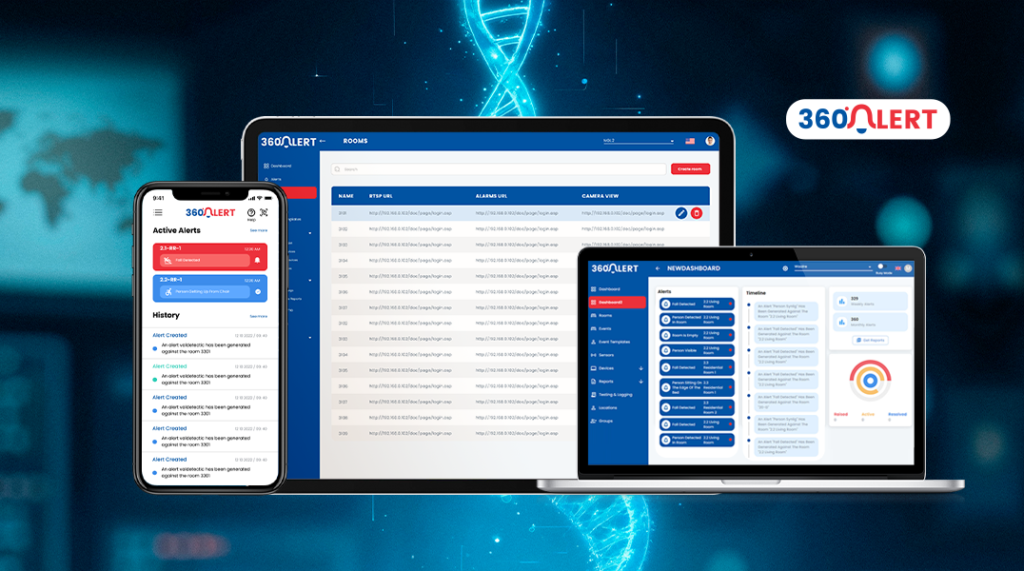
A real-time monitoring platform that detects anomalies and escalates critical events the moment they happen.
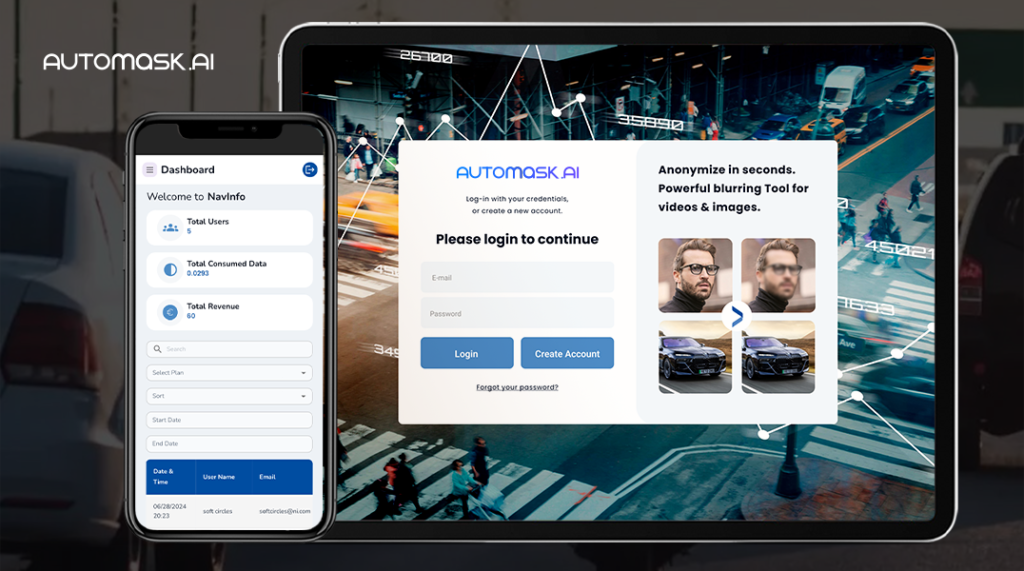
A computer-vision tool that automates image masking at scale, cutting manual editing time for creative teams.
AI integration and modernization services upgrade your existing software, data and infrastructure so it can use artificial intelligence safely. The work usually combines legacy system modernization, data preparation, API development and the integration of AI models such as LLMs into everyday workflows.
Common signs include rising maintenance costs, slow release cycles, security patches that are hard to apply and data locked in silos. If adding a new feature or AI capability takes months instead of weeks, a modernization assessment is usually worth the investment.
Yes. In many projects we keep the core system in place and add an API or middleware layer that connects it to AI services. This delivers value quickly, while we modernize the underlying platform in phases where it makes business sense.
A typical project covers a system and data audit, target architecture, data pipeline work, application refactoring or re-platforming, AI model integration, security testing, deployment and ongoing monitoring. We adjust the scope to your goals, budget and risk tolerance.
Timelines depend on system size, data quality and the number of integrations involved. A focused AI pilot can often go live within weeks, whereas a full platform modernization is planned as a series of releases over several months.
We apply least-privilege access, encryption in transit and at rest, audit logging and data masking where needed. For sensitive workloads we can deploy models in your private cloud or on-premise, so confidential data never leaves your environment.
Cost depends on scope, system complexity and the level of ongoing support you need. We start with an assessment that produces a costed roadmap, so you can see the investment and expected return before committing to a full build.
Let’s design an AI integration and modernization plan that protects what works today while unlocking faster decisions, lower costs and measurable growth.