
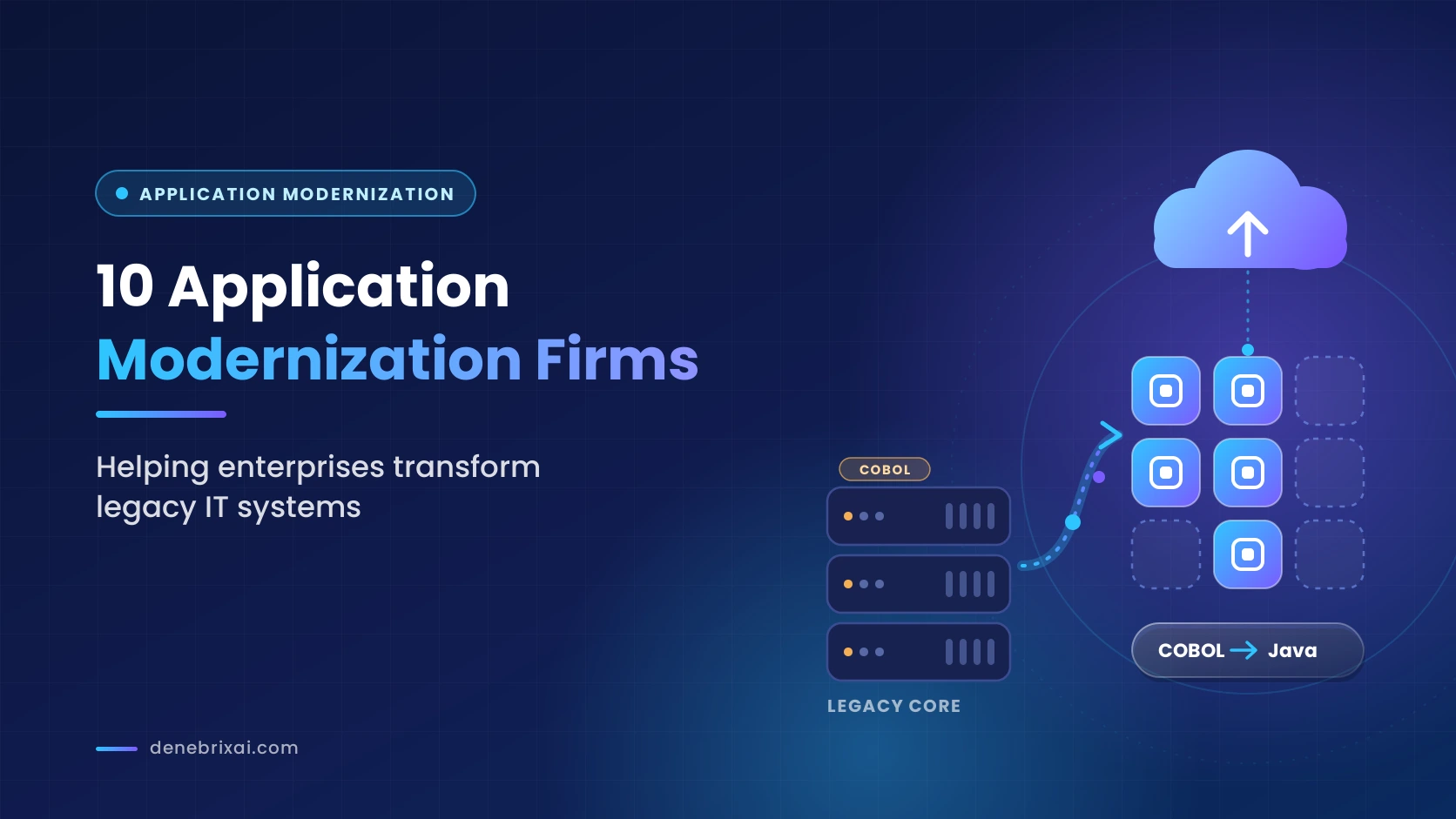
At many big insurers, a COBOL program from the 1980s still figures out premiums. It works. Nobody wants to touch it. And the two people who understand it are about to retire. So each year it costs a little more to keep alive, and every new release has to tiptoe around it. That’s technical debt, basically.
Rehost, Refactor or Rearchitect: Why Starting From Scratch Rarely Works
Three main roads, then. Rehost is the lazy one: the app goes to AWS, Azure or Google Cloud pretty much as is. Quick? Yes. But the technical debt comes along for the ride. Refactor means real work on the code, like containers and CI/CD. Rearchitecting breaks the monolith into microservices on Kubernetes, and that’s where budgets start to hurt.
And the big rewrite from scratch? Looks great on a whiteboard. Then, in month 14, somebody finds business rules nobody wrote down, and the money’s gone. Teams that got burned once use the strangler fig pattern instead. Swap out one function, move the traffic over, repeat.
Leading Application Modernization Partners for Enterprise IT
IBM
IBM still builds the IBM Z mainframes many banks depend on, so it plays both sides: keep the mainframe or wrap it in hybrid cloud on Red Hat OpenShift.
People mostly ask about watsonx Code Assistant for Z. Feed it COBOL, get Java back.
- In-place modernization on IBM Z
- OpenShift as the hybrid Kubernetes layer
- COBOL-to-Java help from watsonx
DXC Technology
DXC handles around 65,000 workloads a year, and ISG lists it as a mainframe Leader in the US and Europe. Its application modernization services (https://dxc.com/solutions/application-services/applications-modernization) run from advisory to mainframe migration and modernization factories.
No single recipe, though. Some apps get rehosted, others swapped for SaaS. KION Group cut IT infrastructure costs by 25% after moving to Microsoft Azure with DXC.
- Mainframe-to-cloud framework
- Factories that automate the repetitive bits
- Partnerships with AWS, Microsoft and Google Cloud
Infosys
Infosys splits the job. Cobalt brings industry cloud blueprints, and Topaz adds generative AI that reads old code faster than a room of analysts.
Typical use? Breaking up a monolith while tests run themselves.
- Cobalt blueprints by industry
- Topaz for code analysis
- API-first microservices
Kyndryl
Kyndryl split off from IBM in 2021 and runs some of the biggest mainframe setups around. Its first question is practical: what can move without wrecking month-end close?
Kyndryl Bridge helps answer it. Handy before a migration. Handier during one.
- Day-to-day mainframe operations
- Kyndryl Bridge for visibility
- Moves across several clouds
Accenture
Accenture doesn’t really sell code changes. It sells transformation, change management included. Consulting talk? Maybe. But with 50,000 employees, getting people to use the new system is half the battle.
For undocumented legacy code (more common than anyone admits), there’s GenWizard.
- Multi-country cloud programs
- GenWizard for digging through old code
- Cloud setups shaped by industry
TCS
TCS bets on its own tooling. MasterCraft TransformPlus translates COBOL into modern languages, saving months of grind.
Banks like it for long programs. Often the same team stays to run what it built.
- MasterCraft TransformPlus
- Heavy COBOL migrations
- Rebuilds for the cloud
Capgemini
Capgemini starts bluntly: does this application deserve to survive at all? Assessment first, code later.
Then come mainframe offloading and DevOps.
- Portfolio clean-up before migration
- Mainframe offloading
- Platform engineering
Cognizant
Healthcare, insurance, banking. Cognizant shows up where core systems can’t go offline, not even for a weekend.
Tooling? Neuro, plus Flowsource, which plugs AI into delivery.
- Flowsource for engineering teams
- Live core system rework
- Migration factories
Wipro
Wipro keeps its cloud work under one label, FullStride Cloud.
Apps get ranked by value first. Simple, and it stops teams migrating the wrong thing.
- FullStride Cloud
- Automated assessment
- Container platforms
Deloitte
Deloitte talks to the CFO as much as the CIO. Risk, regulation, money. That’s usually what keeps a program funded in year two.
Engineering-wise: cloud, ERP, data.
- TCO modeling
- Regulated-industry focus
- ERP transformation
Quick Overview Table
| Company | Mainframe | Microservices | Cloud Migration | Proprietary Tools |
| IBM | Core | Strong | Hybrid | watsonx for Z |
| DXC Technology | Core | Strong | Multicloud | Modernization factories |
| Infosys | Strong | Core | Multicloud | Cobalt, Topaz |
| Kyndryl | Core | Moderate | Hybrid | Kyndryl Bridge |
| Accenture | Strong | Strong | Large-scale | GenWizard |
| TCS | Strong | Strong | Hyperscalers | MasterCraft |
| Capgemini | Strong | Strong | Multicloud | Assessment tools |
| Cognizant | Strong | Strong | Factories | Flowsource |
| Wipro | Moderate | Strong | Hybrid | FullStride |
| Deloitte | Moderate | Strong | Regulated | TCO models |
How to Calculate TCO and Minimize Downtime When Moving to the Cloud
Hardware and licenses are the easy part of TCO. What gets missed? MIPS charges, the last COBOL people’s salaries, egress fees, months of running two systems at once. Plan three to five years ahead. And without FinOps, the savings vanish fast.
Downtime is another headache. A bank can’t pause payments for a weekend. What works:
- moving one business capability at a time;
- change data capture before cutover;
- blue-green releases through CI/CD;
- a rollback plan someone has really tested.
The old system stays on until the new one copes with real traffic. Boring? Sure. Boring migrations finish.
Conclusion
So, is there a magic tool? Not really. What works is less exciting: a separate call for each app, a TCO model with the ugly numbers left in, small steps. Rehosting buys time. Refactoring trims the bill. Rearchitecting is for the long game. And the firms above aren’t interchangeable, so the existing estate should drive the choice.
FAQ
What does application modernization actually mean?
Getting old code and infrastructure ready for modern platforms, usually the cloud.
How long does a mainframe migration take?
A rehost, a few months. Rearchitecting core systems can drag on for years.
Is rehosting enough?
For a quick cost cut, yes. The technical debt stays put, though.
Why bother with microservices?
Because one function can change without redeploying the whole thing.
What lowers migration risk the most?
Small cutovers, replicated data, automated tests. And a rollback plan somebody has actually tried.

Comments are closed