
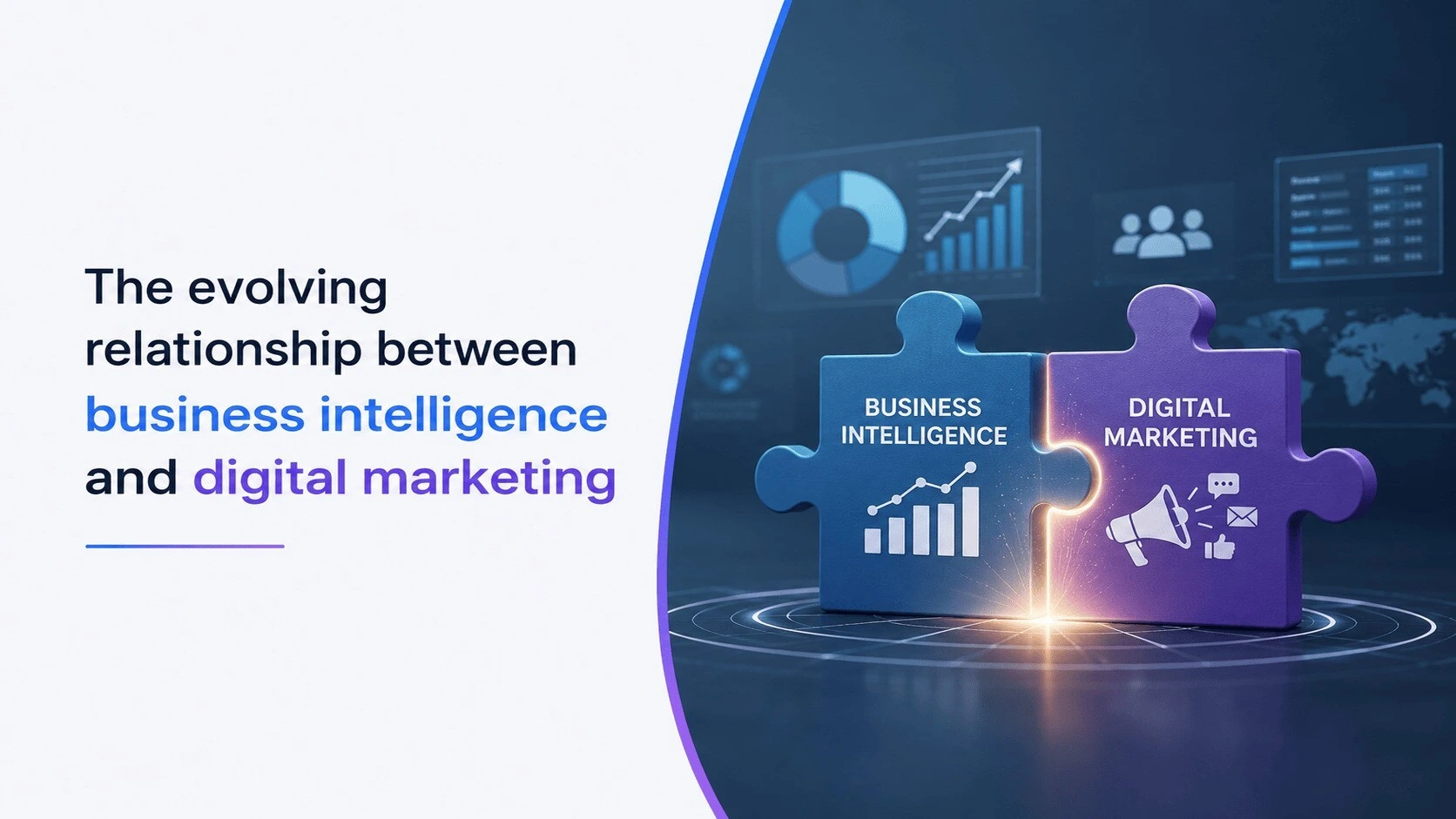
Modern businesses combine market insights, targeted outreach, and digital marketing expertise to identify opportunities, strengthen brand visibility, and support sustainable growth.
Business growth depends more and more on knowing how the market behaves, who your potential customers are, and which digital channels reach them. Most companies hold more customer data than they used to, but numbers alone don’t bring in revenue. Someone has to decide what to do with them.
As business intelligence gets deeper, marketing becomes easier to target and easier to measure. Solid audience research paired with specialized marketing services tends to produce stronger customer relationships and better margins.
Why Do Market Insights Drive Smarter Customer Targeting?
Finding your ideal buyer takes more than educated guesses. Business intelligence tools show where potential customers spend time online and what problems they’re trying to solve. You can follow demographic shifts, regional preferences, and seasonal demand with a fair degree of accuracy.
Knowing who needs your product right now puts you ahead of competitors who are still guessing. Start with your most profitable customers and work backwards through the steps they took to reach your checkout page.
How Do Specialized Professionals Translate Business Insights?
Transforming raw analytics into measurable online growth requires a specific skill set. Partnering with experts like Relentless Digital marketing gives your team the strategic direction needed to deploy capital efficiently. Professionals analyze your internal intelligence reports and map those findings directly to high-performing digital channels. Campaigns built this way start from verified market facts, and assumptions play a much smaller role.
Specialists know how to structure campaigns that win market share. They study historical sales data and build forecasting models that point to which ad platforms are likely to return the most. Your brand then shows up where your audience pays the closest attention.
What Does Strategic Audience Segmentation Look Like?
Dividing your broader market into highly specific subgroups allows you to tailor your messaging for maximum impact. You group potential buyers based on their past purchasing behavior, browser history, and direct interactions with your brand. A recent analysis from Domo notes that aggregating information from various internal and external channels into centralized dashboards forms the core of an effective intelligence strategy.
Personalized approaches to outreach are far superior to generic advertising. You send personalized email series to customers who left your cart, and dynamic video ads to customers reading your blog. Each touchpoint appears to be created specifically for the specific buyer, which naturally leads to higher conversions.
Turning Data Into Meaningful Customer Engagement
If they don’t get you to a deeper level with your audience, then it’s not worth your time or money. The numbers need to be removed from the spreadsheet and used in your daily marketing activities. By understanding and leveraging real search habits, you’ll be a trusted resource instead of another vendor.
There are a number of effective strategies to follow, and if you concentrate on a few of them, you develop a very engaging ecosystem:
- Monitor users’ interactions: Identify where users are getting stuck in the buying process by tracking how they interact with your site.
- Optimize ad copy: Run variations of ad headlines and calls to action to various demographic groups to determine which ones are most effective.
- Match sales channels: Ensure that your social media promotions are consistent with your main site promotions.
- Listen to customers’ service requests and identify new product features or service enhancements.
How Do You Decode Purchasing Behavior With Data?
Predicting what your customers will buy next becomes much easier when you analyze their historical footprints. You look for patterns in average order values, time between purchases, and the specific combinations of products they buy together. An industry guide from HubSpot explains that organizations must start with highly accurate and relevant inputs to generate reliable analytical models. You feed the verified data into your marketing platforms to trigger automated up-sell and cross-sell campaigns at the exact moment a customer is most likely to convert.
Your inventory management and marketing schedules sync up perfectly when you understand these purchasing cycles. You launch promotional campaigns for complementary products right as your main items hit peak seasonal demand.
Building Long-Term Customer Acquisition Strategies
Sustainable growth requires a shift away from short-term hacks toward repeatable, data-driven frameworks. You must have systems in place to automatically capture lead information, score those leads on their behavior, and then nurture them through a system. The more intelligent your algorithms and the more targeted your ads, the lower your cost per acquisition will be.
The lifetime value of a customer gives you a way to back up your first efforts at marketing. When a business partner stays for years, it makes sense to spend more to get a highly qualified lead.
By integrating business intelligence with strategic digital marketing, businesses can make well-informed decisions regarding target audience optimization, brand positioning, and customer acquisition. You no longer just “try to guess what they want”; you start to deliver just what they need, just when they need it. A unified approach transforms raw data into a reliable engine for sustainable commercial growth.
FAQs:
How does business intelligence improve digital marketing
It reveals customer behavior and preferences, helping you pick the right audience and channels so campaigns rely on verified data, not guesswork.
What is audience segmentation?
It splits your market into smaller groups by purchase history and behavior, so each group gets personalized messages that convert better.
How can data predict customer purchasing behavior?
Analyze order values, time between purchases, and product pairings, then trigger automated up-sell and cross-sell campaigns at the right moment.
Do you need a digital marketing expert?
Not always, but experts turn raw analytics into channel strategy, forecasting, and smarter ad spend, which saves time and budget.
How do you lower customer acquisition costs?
Automate lead capture, scoring, and nurturing, and tighten ad targeting. Use customer lifetime value to set how much each lead is worth.

Comments are closed