
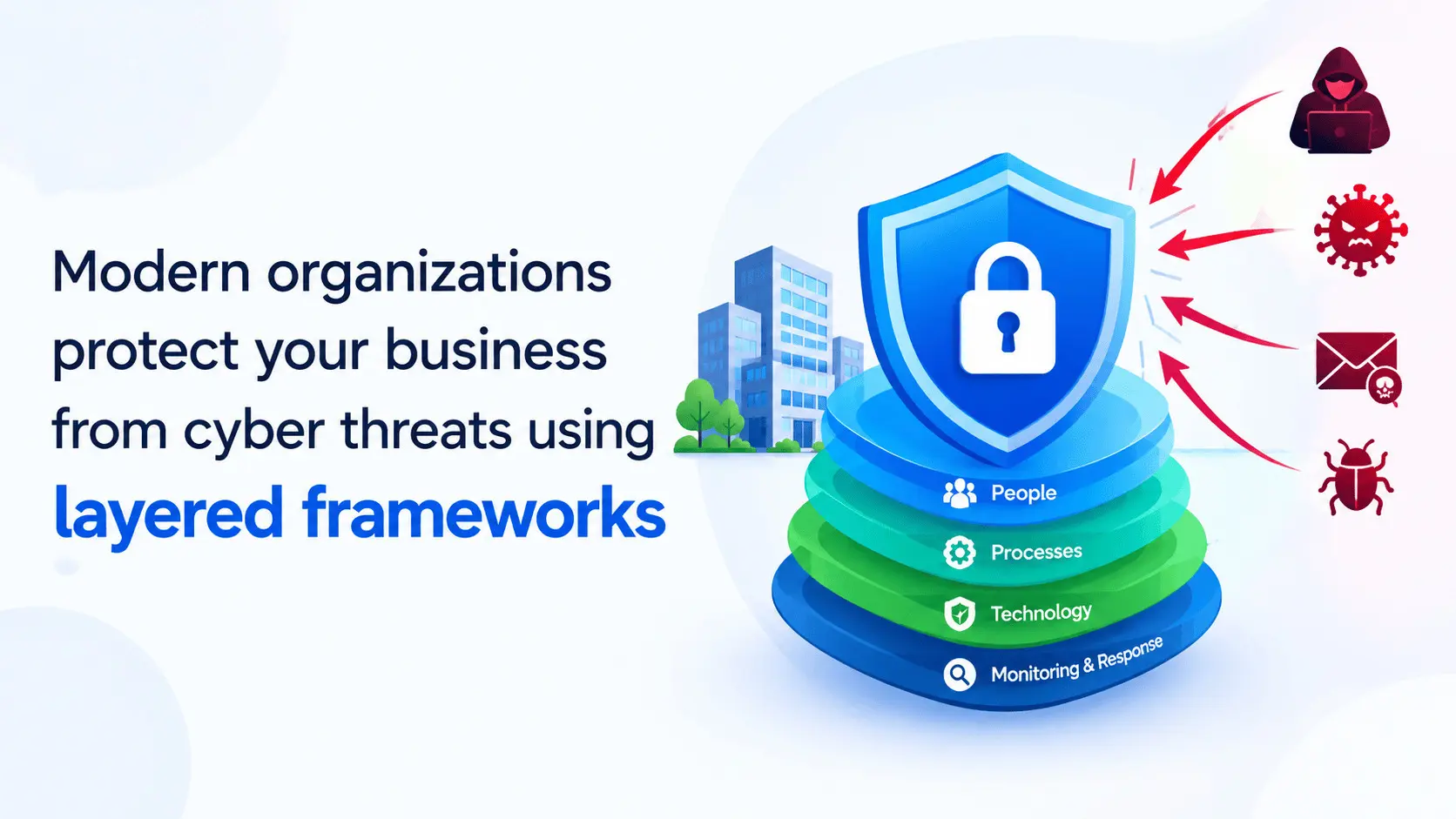
Strong technical controls, alongside targeted risk mitigation strategies, can enable enterprise leaders to develop resilient digital operational frameworks.
Cloud APIs are connected directly to automated workflows on a daily basis through your digital infrastructure. These connections enable the systems to be operational quickly but they also open a new door for intrusions into your core systems. Just one leaked password or misconfigured port can spread throughout your network without anyone realizing there is a problem.
Defending against hazards requires pairing technical controls with clear financial contingencies. When you balance defensive barriers with realistic recovery planning, your enterprise stays resilient under pressure.
How Do Interconnected Cloud Systems Reshape Your Attack Surface?
Your enterprise depends on rapid data exchange between software tools, microservices, and external vendor platforms. Each integration pipeline creates an entry point that demands rigorous identity verification. Research published by ZeroThreat reveals that 57% of corporate entities suffered security breaches stemming directly from API vulnerabilities over 2 years. On the attacker side, they are looking for unsecured interfaces with authorization failures to penetrate the perimeter defenses.The attackers search the interfaces that are open to the public for authorization failures.
The challenge is even tougher for legacy applications, which don’t use modern authentication protocols. The custom connectors which wrap around legacy systems can introduce areas of ignorance within your environment.
How Do Technical Safeguards Defend Cloud APIs and Legacy Assets?
Modern security teams rely on continuous verification rather than static network barriers. When you configure layered firewalls and identity tokens to protect your business from cyber threats across every network gateway, your operational core stays defended against credential abuse. Granular policies inspect every call between services, blocking commands before they touch databases.
Another line of defense is automated rate limiting, which limits the number of connections to exposed services. Credential stuffing is when threat actors try to log in via stolen username/password combinations. By blocking traffic bursts, automated attacks are eliminated and your servers will not crash.
Why Must Specialized Insurance Anchor Your Recovery Budget?
Technical protections stop countless attacks, while defensive software alone cannot eliminate financial disruption. An analysis by Baker Donelson highlighted that worldwide corporate recovery expenses climbed to an average of $4.99 million per breach. Paying for forensic investigations, customer notifications, legal counsel, and operational downtime drains capital reserves rapidly.
Dedicated risk policies absorb steep expenditures, so your business maintains continuity while technicians rebuild systems. Underwriters review access management, encryption standards, and patching schedules before setting coverage rates. Maintaining rigorous defensive hygiene keeps your enterprise insurable and lowers policy renewal expenses.
How Do You Execute an End-to-End Incident Response Strategy?
An all-round defence is about financial buffers and an tried incident management playbook. When your perimeter gets breached, there’s wasted time and increased damage with confusion amongst your leadership team. Documented workflows defining specific roles and responsibilities from the time of intrusion alert are needed.
Frequent simulation exercises will help to educate your staff on making quick decisions in action. Simulating the playbooks with fake ransomware attacks identifies deficiencies in operations before they are exploited by a real adversary.
Structured Steps for Incident Containment
Isolating an active threat takes coordination across technical and administrative departments – fast. The team members do not step on each other and isolated machines are clearly marked with protocols.
- Severely compromised network links: Disconnect infected workstations and virtual machines immediately to halt lateral adversary movement.
- Revoke active access tokens: Invalidate exposed administrative credentials across identity providers to terminate active intruder sessions.
- Preserve digital audit trails: Secure firewall activity files and server snapshots so forensic analysts can identify root intrusion causes.
Operational resiliency requires the same investment in defending the network as well as financial recovery planning. Strong firewalls and hard firewall rules prevent most attacks, but specialized insurance and prepared playbooks prevent your balance sheet from taking a hit when you’re attacked by determined adversaries. Combining technical expertise and holistic risk transfer, your enterprise is equipped to face digital crises without being overwhelmed and with corporate reputation intact.
FAQs:
What is the biggest risk of connecting cloud APIs to automated workflows?
Every API connection adds an entry point. One leaked password or misconfigured port can spread across your network unnoticed and expose all your core systems.
How does automated rate limiting protect exposed services?
Rate limiting caps the number of connections to exposed services. It blocks traffic bursts and credential stuffing, so attacks fail and servers stay online.
Why is cyber insurance necessary alongside technical security controls?
Technical controls cannot erase financial fallout. Insurance covers forensics, legal counsel, customer notifications, and downtime while teams rebuild systems.
What are the first steps to contain a cyber incident?
Disconnect infected machines, revoke exposed admin tokens, and preserve firewall logs and server snapshots so analysts can trace the root cause of intrusion.
Why should companies run incident response simulations?
Simulations such as fake ransomware drills expose your playbook gaps before real attackers do and train staff to make fast, confident decisions under pressure.

Comments are closed